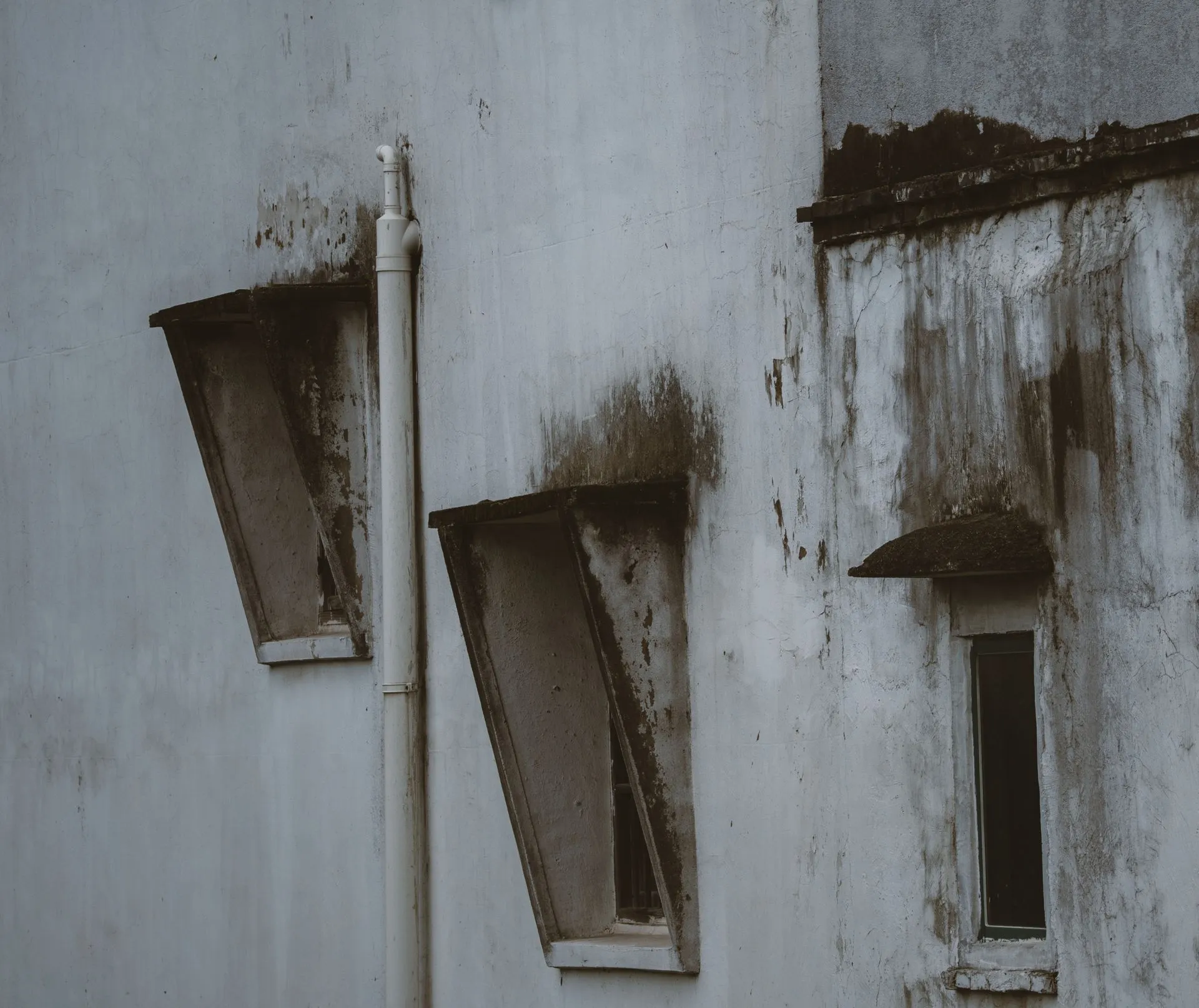
Mold is a living organism that spreads through your home, and the conditions it needs to thrive show up in almost every house in Maryland. Knowing what mold is and what feeds it is the first step toward keeping your family safe.
The Short Version
- Mold is a fungus that spreads through microscopic spores, and they are already floating in the air around you.
- It needs just three things to take over: moisture, organic material, and warmth.
- Maryland's humidity and aging housing stock make mold a year-round concern.
- You do not need a flood. A slow leak or a humid basement is enough, so catch it early.
What Exactly Is Mold?
Mold is a type of fungus that reproduces by releasing microscopic spores into the air. Those spores are everywhere: outdoors, indoors, and floating in the air you are breathing right now. In normal, dry conditions they are harmless. The trouble starts when they land on a surface that gives them what they need to grow.
The Three Things Mold Needs to Take Over Your Home
Mold colonies form when three conditions line up at the same time. Remove any one of them and mold cannot establish itself.
Your home offers all three of these in abundance, which is why mold is such a common problem. It usually goes unnoticed until it has already grown serious.
Why Maryland Homes Are Especially Vulnerable
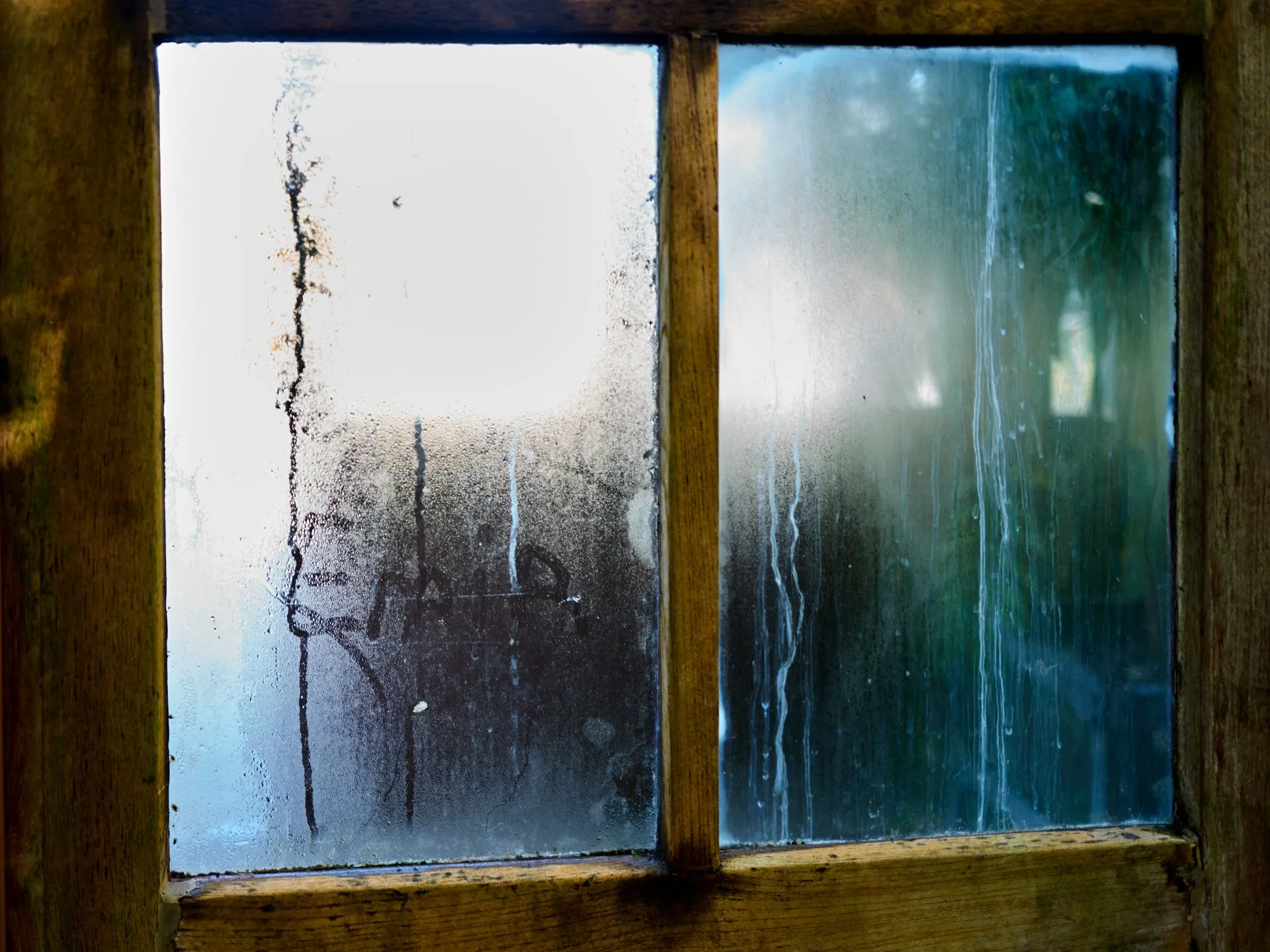
Baltimore's climate creates near-perfect mold conditions for much of the year. Summer humidity regularly drives indoor relative humidity above 60%, and seasonal temperature swings create condensation inside walls and on windows. A lot of Baltimore-area homes also have older plumbing and building materials that soak up moisture easily, which keeps mold a concern all year.
Bottom Line
Mold does not need a flood or a major plumbing failure to take hold. A slow leak under a sink, poor bathroom ventilation, or a basement that stays damp is all it takes. Catch it early, before it works its way into your walls and HVAC system.
Think you might have mold? Don't guess.
Our IICRC-certified technician will inspect your property at no charge. We use moisture mapping and thermal imaging to find hidden mold behind walls and under floors, not only what shows on the surface.
Frequently Asked Questions
Want the health side of this, who is most at risk and the symptom pattern that points to indoor mold? Read The Real Health Dangers of Mold.